8 ways to improve energy efficiency
Energy efficiency – can I improve it?
Energy efficiency is even more important than ever, given the seemingly constant rise in energy costs. The good news? You don’t need a full system replacement to see meaningful savings. Here are eight practical ways homeowners can improve heating efficiency and lower monthly bills.
1. Upgrade to a high-efficiency boiler
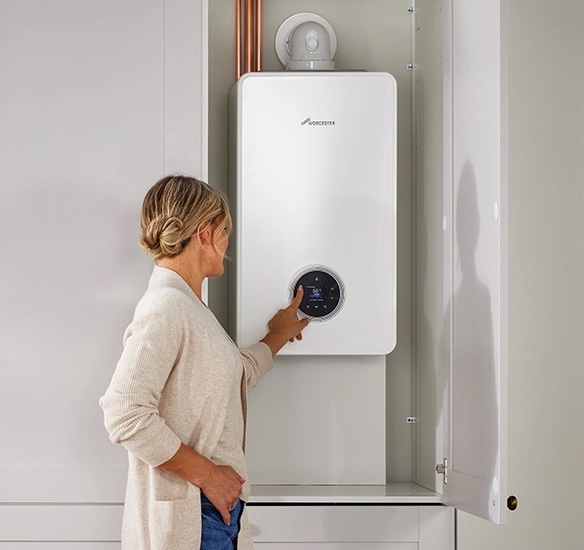
If your system is more than 15 years old, it may be operating at 70–80% energy efficiency. Modern condensing boilers can exceed 90% efficiency, meaning more of the fuel you pay for heats your home. While it’s an investment, the long-term savings can be substantial.
2. Upgrade the thermostat
A programmable or smart thermostat automatically adjusts temperatures when you’re sleeping or away. Even lowering your thermostat by a few degrees for 8 hours a day can reduce heating costs by up to 10% annually, giving improved energy efficiency.
3. Fit thermostatic radiator valves
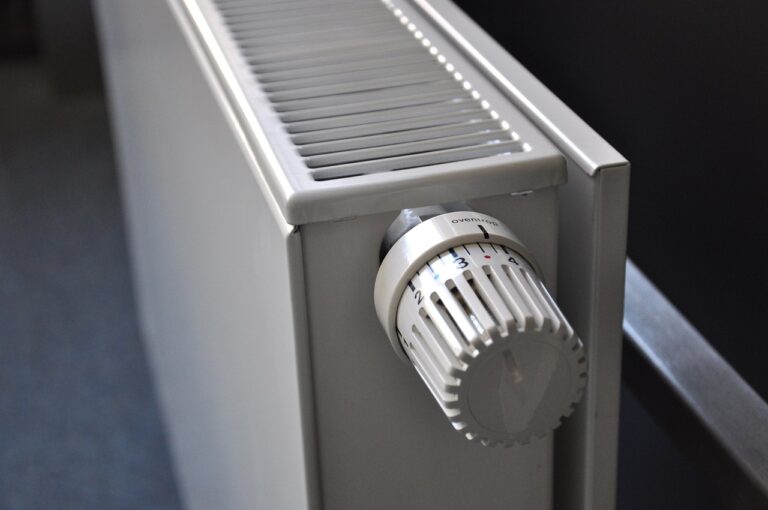
Millions of homes lack even basic controls such as thermostatic radiator valves (TRVs). TRVs monitor the temperature of the air around the radiator and automatically adjust the amount of hot water that enters the radiator, depending on whether each individual room is at the correct temperature, making sure the room doesn’t overheat.
4. Seal drafts and improve insulation
Heating systems work harder when warm air escapes. Seal gaps around windows and doors, add loft insulation, and check for drafts in basements or crawl spaces. Proper insulation keeps heat inside where it belongs.
5. Schedule annual boiler maintenance
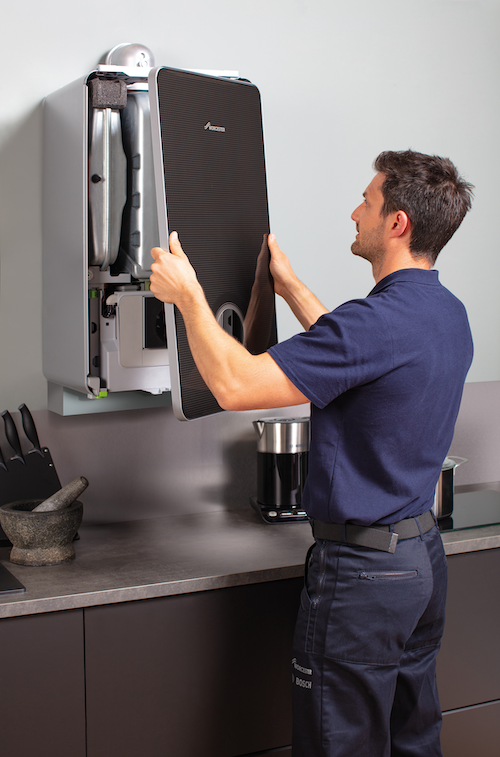
Yearly servicing keeps your boiler running safely and efficiently. A service engineer can clean components, check airflow, and ensure proper combustion — all of which help reduce energy waste and extend system life.
6. Zone the home
Creating heating zones inside a property ensures rooms are heated only when they are required, instead of the whole property being heated whenever there is a demand for heat. Heating only the spaces you need reduces overall energy demand.
7. Treat the system water
Dirt and air can have a significant impact on heating efficiency. Checking the quality of the water and then treating any sludge or magnetite found, can help make the system more efficient and reduce fuel bills.
8. Reduce the flow temperature
Reduce the flow temperature on a combi boiler to 55°C. Make sure the radiators are balanced and the system is cleaned and treated.
Improving heating efficiency doesn’t have to be complicated. With a few smart upgrades and simple maintenance steps, you can stay warm, lower your utility bills, and reduce your home’s environmental impact, all at the same time.